


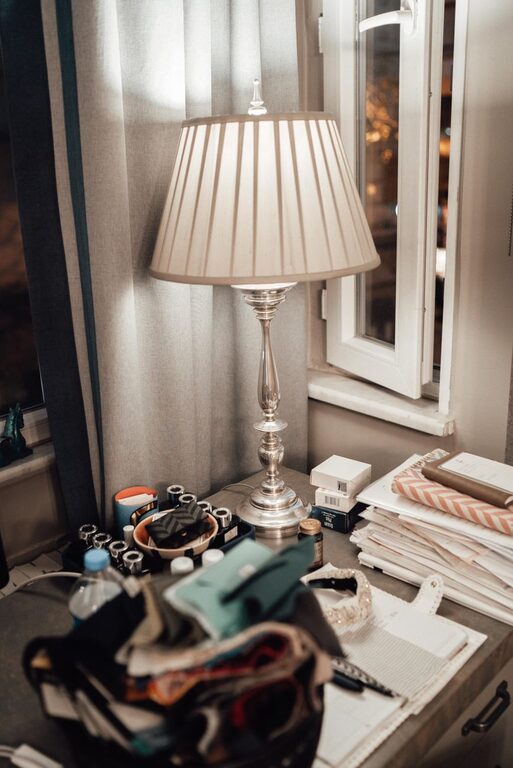
Creating a cozy and inviting home office space is essential for anyone who spends a significant amount of time working from home. A well-designed work area not only improves productivity but also enhances your overall mood and comfort. Whether you have a dedicated room or just a corner in your living room, these tips will help you optimize your workspace for both function and coziness.
Choose the Right Location
Selecting the best spot for your home office is the first step. Ideally, pick an area with plenty of natural light because sunlight helps reduce eye strain and increases alertness. If a window isn’t feasible, ensure you have ample artificial light through desk lamps or ceiling fixtures with soft, warm bulbs. Avoid high-traffic zones to minimize distractions and noise.
Invest in Comfortable Furniture
Comfortable furniture is key to a cozy home office.
– Ergonomic Chair: Choose a chair that supports your back and promotes good posture to prevent discomfort during long work hours.
– Spacious Desk: A desk with enough surface area allows you to keep your essentials organized without feeling cluttered.
– Footrest: If your feet don’t rest flat on the floor, a footrest can improve circulation and comfort.
Consider adjustable furniture to customize your setup for maximum comfort.
Personalize Your Space
Adding personal touches makes your office feel welcoming and inspiring. Here are some ideas:
– Artwork or Photos: Hang art that motivates you or photos of loved ones to boost morale.
– Plants: Indoor plants improve air quality and add a refreshing touch of nature.
– Decorative Items: Use meaningful ornaments or colorful accessories to reflect your personality.
Just be careful not to overdo it; too many items can lead to clutter and distraction.
Optimize Lighting for Mood and Function
Lighting influences both ambiance and productivity.
– Natural Light: Position your desk near a window when possible, but avoid glare on your screen.
– Task Lighting: Use adjustable desk lamps to focus light on your work area.
– Ambient Lighting: Soft overhead or floor lamps create a warm atmosphere, reducing harsh contrasts.
Choosing bulbs with a color temperature around 2700K to 3000K provides a cozy, inviting glow.
Keep It Organized
Clutter can quickly make even the nicest office feel chaotic. To maintain an inviting workspace:
– Use Storage Solutions: Shelves, drawers, and filing cabinets keep papers and supplies tidy.
– Cable Management: Use clips, sleeves, or boxes to hide cords and chargers.
– Daily Clean-ups: Spend a few minutes at the end of each day tidying your desk.
An organized office helps reduce stress and allows you to focus better.
Incorporate Cozy Textiles
Soft textiles add a sense of warmth and comfort.
– Rugs: A plush rug beneath your desk or chair can make the floor more inviting and absorb sound.
– Throw Blankets or Cushions: Extra cushions on your chair or a small throw can make sitting more comfortable.
– Curtains: Soft fabric curtains help control light and contribute to a cozy feel.
Choose colors and textures that complement your overall color scheme.
Pay Attention to Color and Decor
The colors you choose affect your mood and productivity.
– Soothing Colors: Soft neutrals like beige, light gray, or pastel blues promote calmness.
– Accent Colors: Use brighter colors in small doses to energize the space.
– Minimalist Style: Keeping decor simple and balanced prevents the space from becoming visually overwhelming.
Color psychology suggests blue hues aid focus while greens can be calming and refreshing.
Add Elements to Reduce Noise
Noise distractions can hinder concentration. Here are ways to create a quieter environment:
– Soft Furnishings: Curtains, rugs, and cushions absorb sound.
– White Noise Machine: These devices generate soothing background noise, masking disruptive sounds.
– Noise-Cancelling Headphones: Great for blocking out household or neighborhood noise during work hours.
If possible, position your office away from noisy areas like kitchens or busy streets.
Set Boundaries Between Work and Home Life
Maintaining work-life balance is easier when your office feels separate.
– Use room dividers or screens if your office is in a shared space.
– Establish clear start and end times for your workday.
– When work is done, close your laptop and avoid the space to mentally disconnect.
By defining your office area as a dedicated workspace, you’ll create a more inviting and purposeful environment.
Final Thoughts
Designing a cozy and inviting home office doesn’t require expensive renovations. By thoughtfully choosing your location, furniture, lighting, and decor, you can create a workspace that feels comfortable, inspiring, and efficient. Remember that your home office should support not only your productivity but also your well-being. Try these tips to craft a space where you look forward to working every day.


